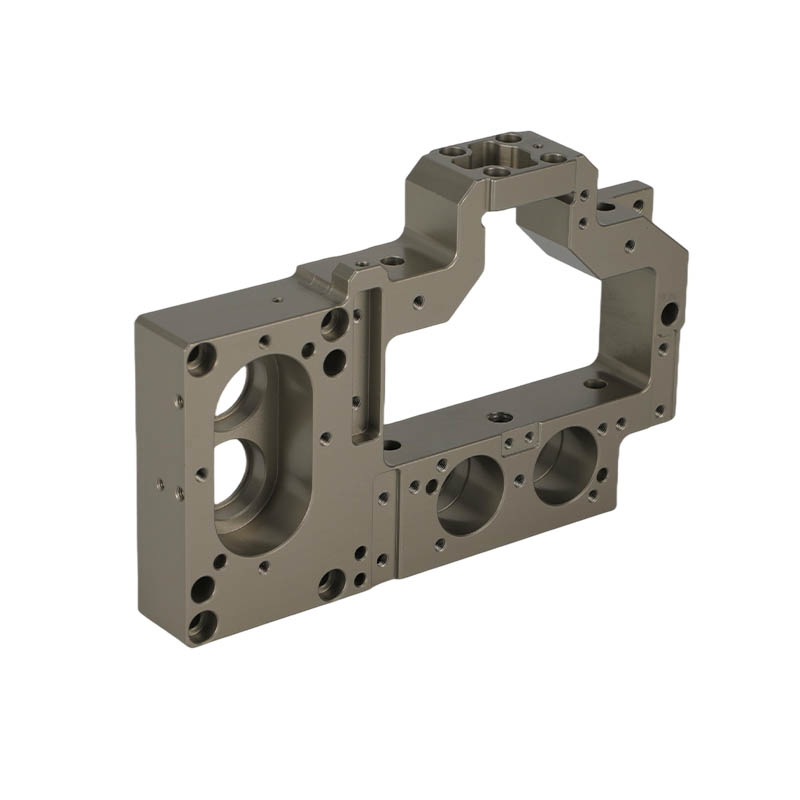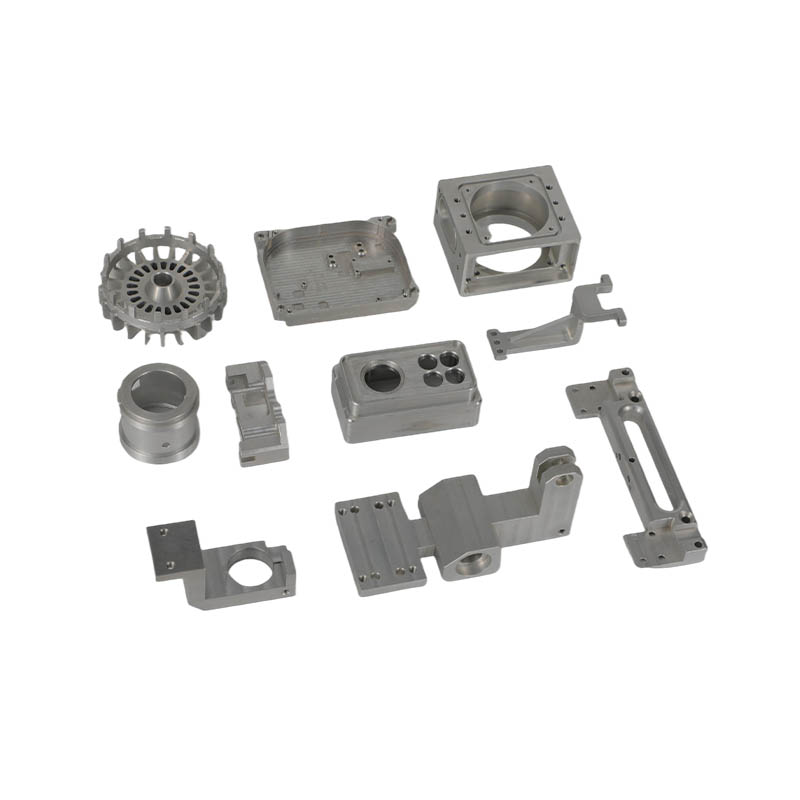

With the rapid development of digital manufacturing, CNC precision parts machining is gradually transforming from a traditional experience-driven model to a data-driven and intelligent decision-making model.
In modern industrial equipment manufacturing, the precision of equipment shell sheet metal processing directly affects the overall assembly quality and operational stability.
In modern high-precision manufacturing, milling and turning machining, with its advantages of multi-process integration and one-time clamping, is widely used in aerospace, precision mold, and high-end equipment component processing.
In modern industrial manufacturing, the machining quality of precision parts directly determines the performance, lifespan, and reliability of products.
In five-axis machining, the tool posture needs to be dynamically adjusted according to the surface normal. During this process, improper posture can easily cause the tool to collide with the workpiece, fixture, or machine tool components.
The pursuit of perfection in manufacturing, particularly within the aerospace, medical, and automotive industries, often leads engineers to a critical decision point: the choice between 3-axis and 5-axis CNC machining.